Understanding Paint Protection Film
What is Paint Protection Film?
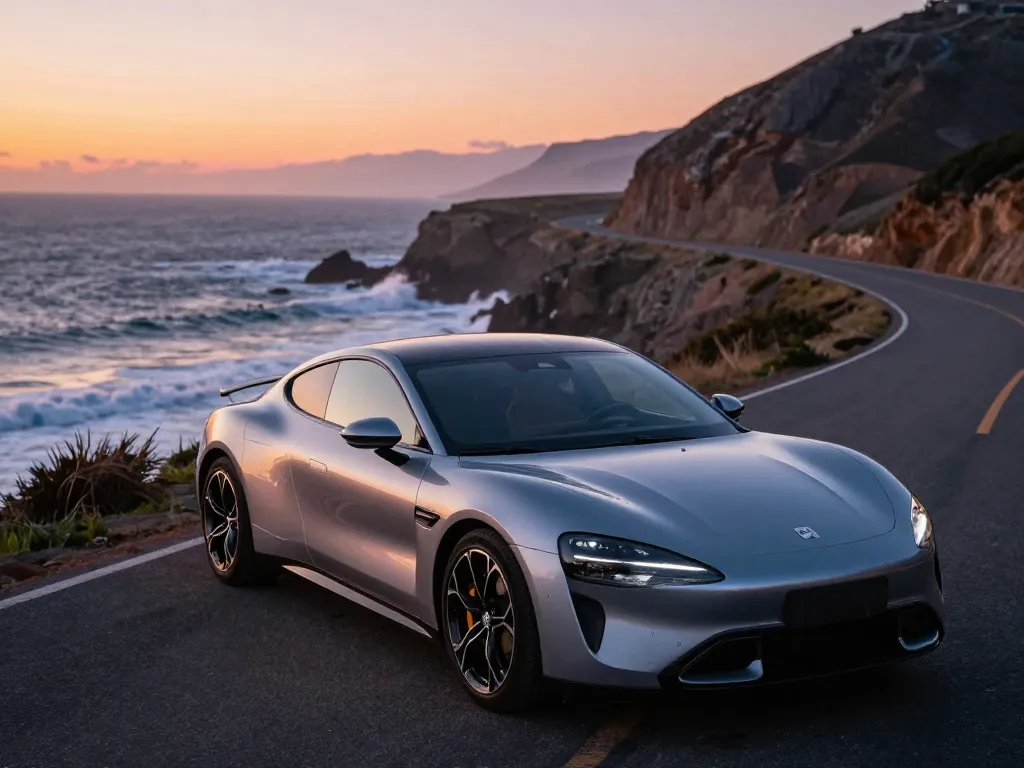
Paint Protection Film (PPF), often referred to as clear bra, is a thermoplastic urethane film applied to the painted surfaces of vehicles. Its primary role is to provide a protective layer that shields the paint from scratches, chips, and environmental contaminants. This innovative solution has gained popularity among car enthusiasts and everyday drivers alike, not just as a means of securing the vehicle's aesthetic but also as a way to maintain its resale value. Many who search for paint protection film near me do so to ensure their vehicles look pristine for years to come.
Key Benefits of Paint Protection Film
The advantages of installing PPF on your vehicle extend far beyond its immediate protective capabilities. Here are some of the most significant benefits:
- Scratch and Chip Resistance: PPF effectively absorbs impact from road debris, reducing the likelihood of scratches and chips that can harm the underlying paint.
- UV Protection: The film serves as a barrier against harmful UV rays, which can cause oxidation and fading over time.
- Self-Healing Properties: Many modern films include self-healing capabilities, allowing minor scratches to disappear over time, keeping your car's surface smooth.
- Low Maintenance: Maintaining PPF is straightforward—regular washing and occasional waxing are usually all that's needed to keep it in top shape.
How Does It Work?
Paint Protection Film operates by forming a thin, durable layer over your vehicle's paint. Made from advanced materials, this film is engineered to obstruct mechanical damage and chemical deterioration. The adhesive backing ensures a robust bond with the car's surface while allowing for flexibility against shifts and separation. When applied professionally, PPF seamlessly integrates with the contours of the vehicle, virtually invisible to the naked eye.
Choosing the Right Protection
Factors to Consider When Selecting Film
With various types of paint protection films available, choosing the right one can be overwhelming. Here are some key factors to consider:
- Thickness: Films usually vary between 6mil to 8mil in thickness. The thicker the film, the more protection it offers, but it might also alter the look of the vehicle slightly.
- Finish: Different finishes, such as glossy or matte, can change the appearance of your car. Glossy films enhance shine, while matte films provide a unique, understated look.
- Self-Healing Technology: Films that offer self-healing properties can save money and maintenance efforts over time, as minor scratches will heal themselves when exposed to heat.
- Warranty: Look for a comprehensive warranty when selecting a film. A solid warranty can provide peace of mind regarding longevity and performance.
Comparing Types of Films
Knowing the different varieties of PPF can help you make an informed decision:
- Budget Films: Typically thinner and less durable; these may suffice for short-term protection.
- Standard Films: These generally offer good protection and longevity for everyday vehicles.
- Premium Films: Top-tier options, these films are thicker, include self-healing technology, and often come with extensive warranties.
Paint Protection Film Near Me: Finding Local Providers
When searching for paint protection film near me, it's essential to find a reputable installer. Start by looking for businesses with substantial experience in installing PPF. Reviews, testimonials, and local ratings can guide you in making the right choice. A reliable provider should also allow you to see samples of their work and offer detailed information about the specific films they recommend.
The Installation Process
Preparing Your Vehicle for Installation
Preparation is vital for a successful PPF installation. Begin by thoroughly cleaning your vehicle. Remove any dirt, grime, and wax, as these can interfere with the film's adherence. Additionally, any scratches or imperfections in the paint should be addressed beforehand, as PPF will not mask these flaws.
Step-by-Step Installation Guide
The installation of paint protection film typically involves these steps:
- Clean the Surface: Ensure that the car's surface is free of contaminants.
- Cut the Film: Using a pattern or template, cut the PPF to the correct size for the vehicle sections being protected.
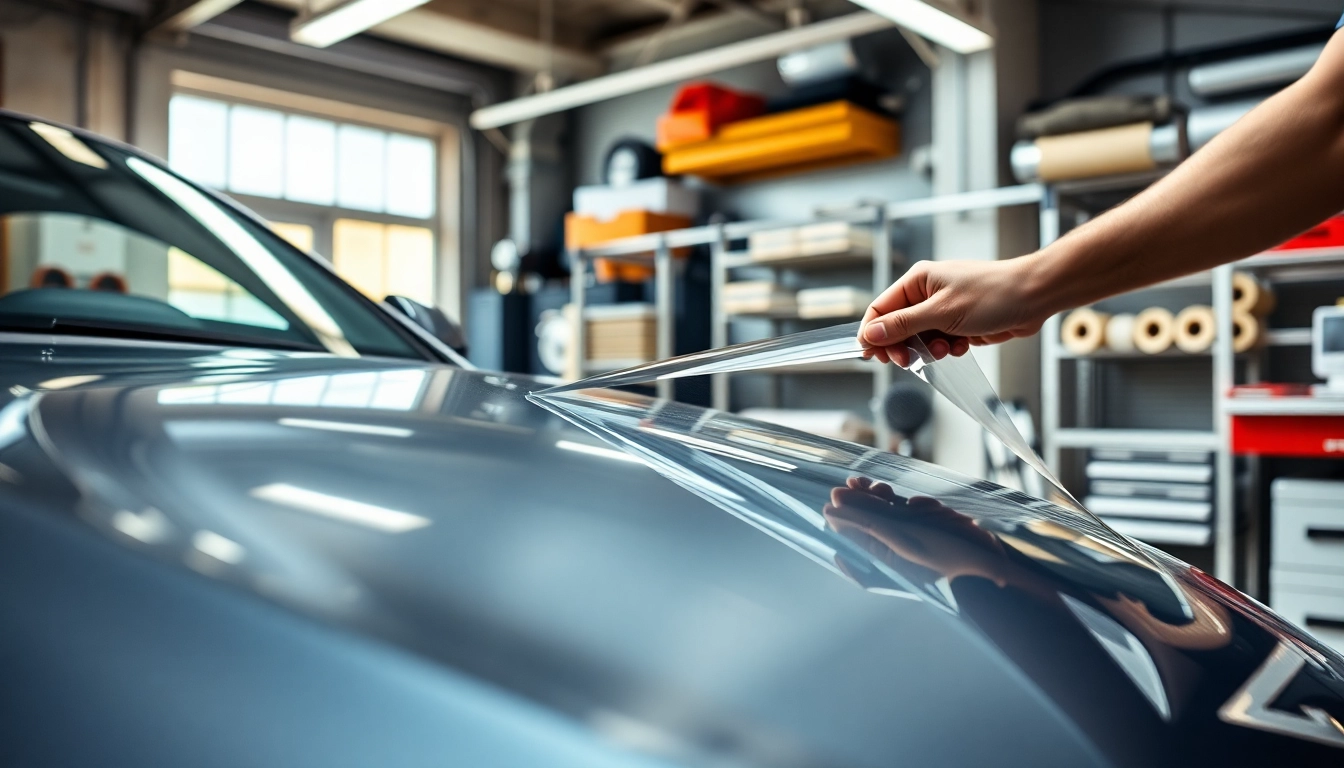
- Apply the Film: Start from one end of the section and gradually work your way to the other end, using a squeegee to remove air bubbles.
- Heat Activation: Use a heat gun to activate the adhesive, allowing it to conform tightly to the vehicle's contours and ensuring a secure fit.
- Final Inspection: After installation, inspect for any imperfections or air bubbles, which can be addressed as needed.
Common Mistakes to Avoid
When installing PPF, it’s crucial to avoid certain pitfalls:
- Inadequate Cleaning: Failing to clean the surface properly will lead to adhesion issues.
- Rushing the Process: Taking your time ensures a better installation; rushing can cause mistakes.
- Using Incorrect Tools: Using the wrong tools can damage both the film and the vehicle surface.
Maintenance and Care
Cleaning Techniques for Long-Lasting Protection
Maintaining your paint protection film is essential for maximizing its lifespan and effectiveness. Follow these cleaning tips:
- Hand Washing: Use a gentle automotive soap and a soft cloth or sponge, avoiding mechanical car washes that can scratch the film.
- Avoid Harsh Chemicals: Steer clear of aggressive cleaners or waxes that can damage the film surface.
- Regular Inspections: Check for any areas that may need attention or repairs, especially after heavy wear or long trips.
When to Reapply or Replace the Film
While PPF is designed to last, you may need to replace it after a certain period or under specific circumstances. Generally, films can last anywhere from 5 to 10 years, depending on the type of film and how well it’s been maintained. If you notice significant yellowing, bubbling, or peeling, it’s time to consider having the film removed and replaced.
Signs Your Film Needs Attention
Recognizing when your paint protection film needs servicing is vital for maintaining your vehicle's appearance. Watch for the following signs:
- Discoloration: If the film starts to turn yellow or brown, it's losing its protective properties.
- Bubbles or Wrinkles: These indicate that the film has not adhered correctly or is starting to lift.
- Physical Damage: If the film is torn or chipped, it may need removal or repair to offer proper protection.
Frequently Asked Questions
How Long Does Paint Protection Film Last?
Generally, paint protection films can last between 5 to 10 years, depending on the type of film and maintenance. High-quality films often have a longer lifespan.
Can I Wash My Car After Installation?
Yes, but it's recommended to wait at least 48 hours after installation before washing your vehicle. This allows the film to adhere properly.
What Are the Costs Involved?
Costs vary widely based on vehicle size and film type, typically ranging from $500 to $2,500. It's best to get quotes from local providers.
Is Paint Protection Film Visible on My Car?
High-quality PPFs are virtually invisible once installed. They provide transparency while offering robust protection for your vehicle's paint.
What Happens if the Film Gets Damaged?
If the film suffers damage, it can be repaired without needing to replace the entire film. A professional can assess the damage and recommend solutions.