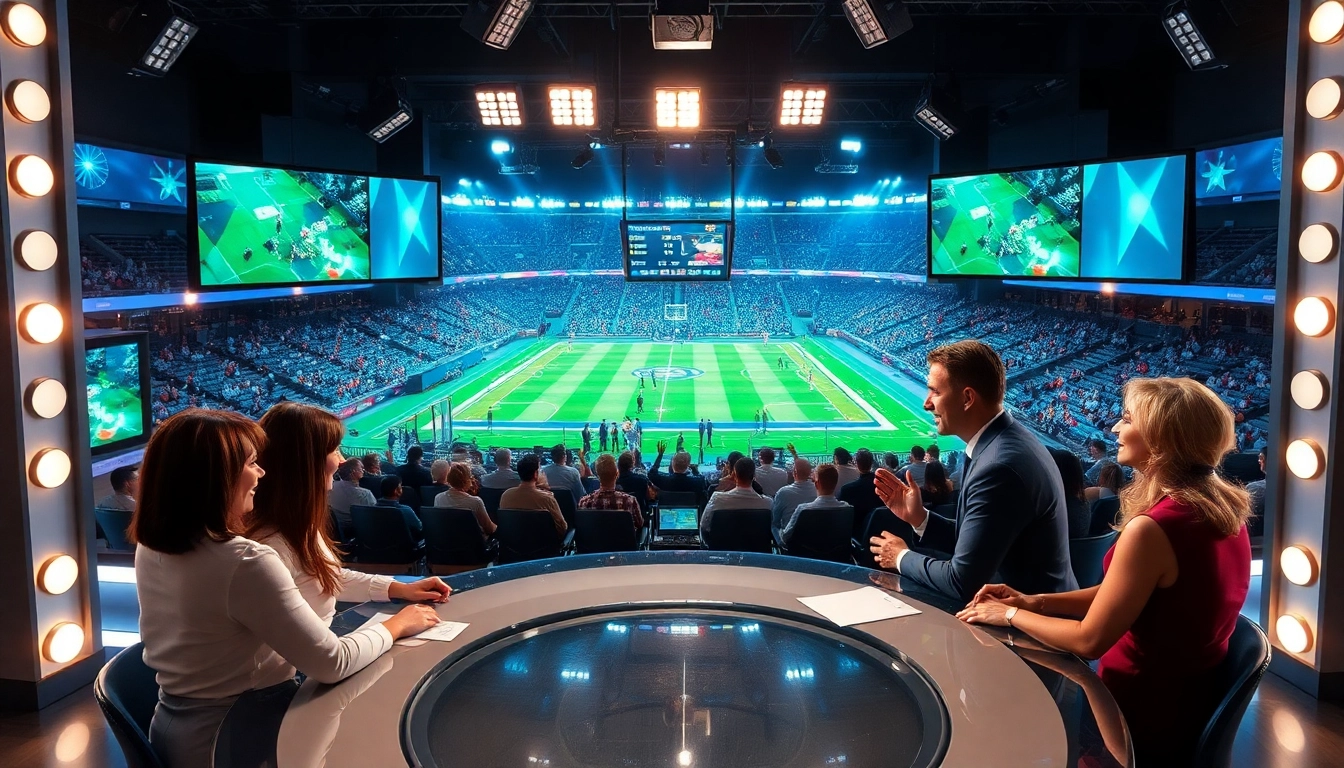
Understanding Sports Broadcasting Fundamentals
What is Sports Broadcasting?
Sports broadcasting encompasses the transmission of sports events via various mediums, including television, radio, and digital platforms. This multi-faceted industry has evolved significantly, integrating live coverage, highlights, and commentary to engage audiences. As a pivotal element of the sports industry, Sports Broadcasting not only provides entertainment but also serves as a platform for sponsorship and advertising, significantly influencing athletic financing and viewership dynamics.
Key Components of Sports Broadcasting
The components of sports broadcasting can be broken down into several key areas:
- Live Event Coverage: At the heart of sports broadcasting is the live coverage of games and competitions. This includes pre-game and post-game analysis to enhance viewer engagement.
- Commentary and Analysis: Skilled commentators and analysts provide insights, adding depth to the viewing experience while maintaining audience interest through engaging narratives.
- Production Quality: High-definition cameras, graphics, and sound enhancements are vital in ensuring a polished presentation that captivates viewers and immerses them in the action.
- Distribution Channels: Broadcasters utilize various channels, including cable, satellite, and streaming services, thus expanding reach and accessibility to diverse audiences.
The Role of Technology in Sports Broadcasting
Advancements in technology have revolutionized sports broadcasting. From high-definition and 4K imaging to real-time analytics and audience interactivity, technology plays a crucial role. Key technological innovations include:
- Live Streaming: Platforms like social media allow for real-time streaming of events, increasing viewer accessibility and engagement, often supplemented with interactive features to enhance viewer participation.
- Augmented Reality (AR) and Virtual Reality (VR): AR and VR enhance the viewing experience by enabling immersive environments, allowing fans to feel as though they are interacting directly with the event.
- Data Analytics: Broadcasters leverage data analytics to profile viewers, enabling tailored marketing strategies and personalized experiences that cater to specific audience segments.
Challenges in Sports Broadcasting
Maintaining Viewer Engagement
With the wealth of content available, keeping viewers engaged poses significant challenges. Broadcasters must innovate continuously to maintain interest, employing strategies such as interactive polls and behind-the-scenes content, which can strengthen viewer loyalty and investment in the narrative.
Technical Difficulties and Solutions
Technical issues, from feed disruptions to equipment failures, can mar the viewing experience. To combat this, broadcasters typically employ back-up systems and redundancy plans. Routine maintenance and upgrades to equipment can also mitigate risks and ensure seamless broadcast quality.
Legal and Ethical Considerations
Legal aspects surrounding broadcasting rights, copyright issues, and content censorship are paramount. Broadcasters need to navigate these challenges carefully, ensuring compliance with laws while maintaining ethical standards regarding advertising and viewer interaction.
Best Practices for Effective Sports Broadcasting
Creating Compelling Content
The success of sports broadcasting hinges on the creation of compelling, engaging content. Strategies include utilizing story arcs to develop emotional connections with audiences, showcasing athlete backgrounds, and incorporating viewer feedback to refine programming.
Utilizing Social Media Platforms
Broadcasters should embrace social media as a powerful tool for engagement. By sharing highlights, conducting live discussions, and hosting Q&A sessions, they create community spaces for fans to interact, further enhancing the overall viewing experience.
Engaging with Diverse Audiences
Understanding the audience's demographics and preferences is vital for tailored broadcasting. By leveraging analytics, broadcasters can hone their content strategies to engage diverse audiences effectively, incorporating multilingual options and culturally sensitive content.
Metrics for Measuring Success in Sports Broadcasting
Key Performance Indicators
Key Performance Indicators (KPIs) are essential for assessing the effectiveness of broadcasting strategies. Common metrics include viewer ratings, social media engagement levels, and revenue generated from sponsorships and advertisements.
Tools for Tracking Audience Engagement
Utilizing tools such as Google Analytics, social media insights, and audience reports enables broadcasters to track engagement comprehensively. These insights inform future programming decisions and content strategies, optimizing audience retention.
Analyzing Viewer Feedback
Gathering feedback through surveys and direct audience engagement is critical. Broadcasters should analyze viewer feedback to improve content quality and adapt broadcasting strategies, ensuring they resonate with current audience interests and trends.
Future Trends in Sports Broadcasting
The Impact of Streaming Services
The shift towards OTT (over-the-top) streaming platforms is defining the future of sports broadcasting. These services offer on-demand content, flexible viewing options, and fewer geographical limitations, leading to sharper competition in audience retention and engagement strategies.
Innovations in Virtual and Augmented Reality
VR and AR developments promise immersive viewer experiences that can redefine how sports events are consumed. As this technology matures, broadcasters can engage audiences in ways traditional formats cannot, paving the way for new revenue streams and viewer experiences.
Anticipating Changes in Viewer Preferences
Understanding shifting viewer preferences is essential for future-proofing broadcasting strategies. Audience analysis indicates a growing appetite for interactive experiences and instant access to highlights, necessitating agility in content delivery methods and formats.
FAQs
What is the role of technology in sports broadcasting?
Technology enhances broadcasting via high-definition visuals, streaming services, and interactive content, enriching viewer experiences and engagement.
How do broadcasters measure viewer engagement?
Broadcasters utilize KPIs, analytical tools, and audience feedback mechanisms to track and measure viewer engagement effectively.
What strategies can enhance audience engagement in sports broadcasting?
Utilizing social media, creating compelling narratives, and offering interactive viewing experiences are effective strategies for enhancing audience engagement.
What are the main challenges in sports broadcasting today?
Main challenges include maintaining viewer engagement, addressing technical issues, and navigating legal considerations surrounding content rights.
What are future trends in sports broadcasting?
Future trends include the rise of streaming services, innovations in VR and AR technology, and a growing emphasis on interactive content to meet audience preferences.